How Cameras are Revolutionizing AgTech in Agriculture
Category : |
Sub Category : Posted on 2024-01-30 21:24:53
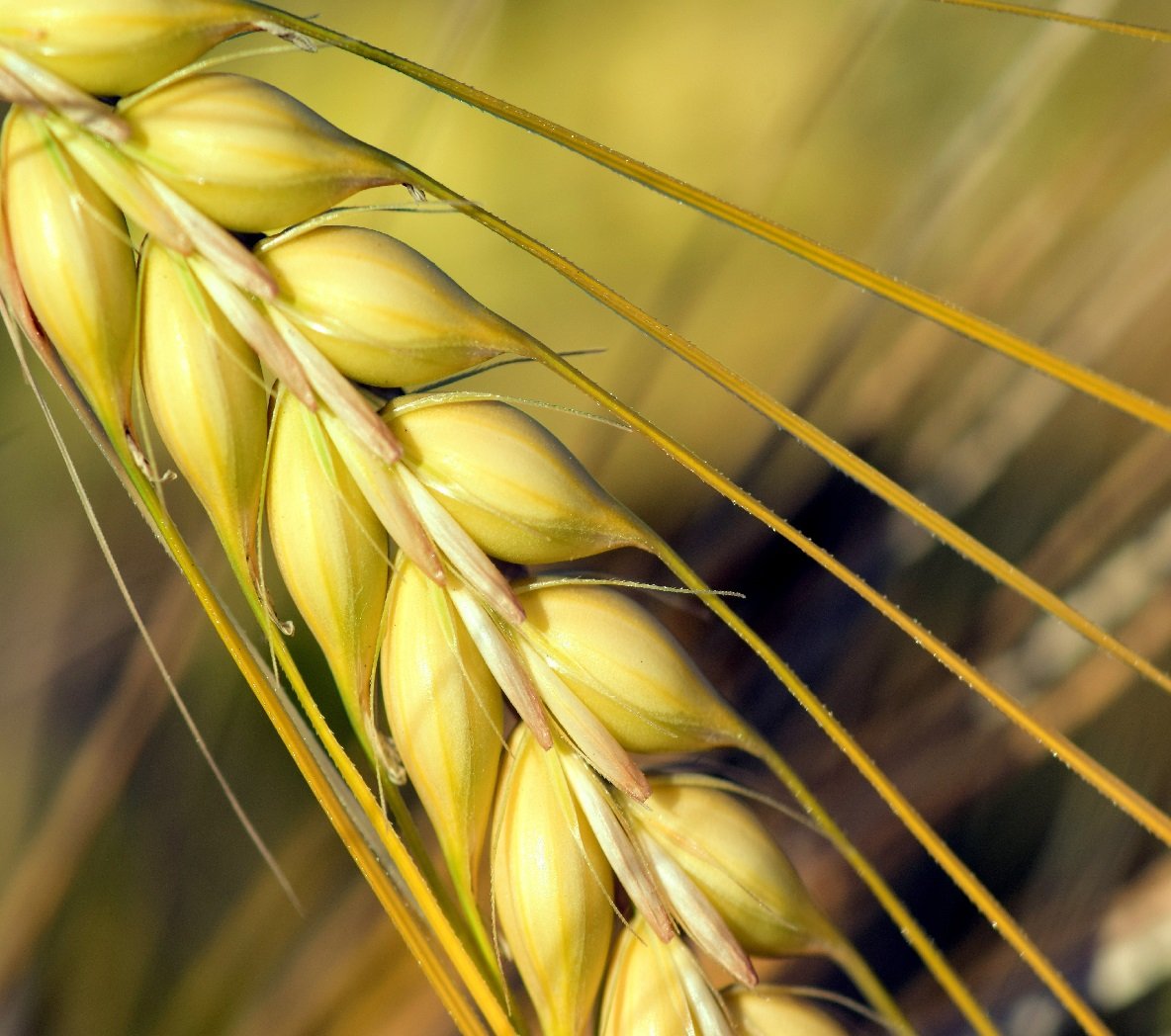
Introduction: As technology continues to advance, various industries are harnessing the power of innovative solutions to enhance productivity and efficiency. One such field benefiting from cutting-edge technology is agriculture. In recent years, the agricultural sector has seen the integration of cameras and advanced imaging systems, playing a pivotal role in the development of AgTech. In this blog post, we will explore how cameras are revolutionizing agricultural technology, improving crop management, monitoring, and overall farm operations.
1. Enhanced Precision Farming: Cameras have emerged as an essential tool in precision farming, aiding farmers in effectively managing their crops. With the help of advanced imaging techniques like multispectral and hyperspectral imaging, cameras allow farmers to monitor the health and vitality of crops more accurately. By capturing detailed information on plant health, nutrient levels, and pest infestations, cameras enable farmers to make data-driven decisions, optimizing the use of fertilizers, pesticides, and water resources.
2. Real-Time Monitoring and Surveillance: Cameras equipped with remote sensing capabilities have transformed the way farms are monitored and managed. By capturing live video feeds, farmers can remotely monitor crucial aspects of their agricultural operations, such as irrigation systems, weather conditions, and livestock behavior. This real-time monitoring enables farmers to detect and respond promptly to potential issues, minimizing risks and maximizing yields.
3. Automated Crop Scouting: Traditionally, crop scouting involved physically examining large areas of farmland to identify areas of concern. However, with the advent of camera technology, this process has become more efficient and accurate. Drones equipped with high-resolution cameras can perform automated crop scouting, capturing detailed images of the entire field in a matter of minutes. By analyzing these images using specialized software, farmers can spot anomalies, crop diseases, or nutrient deficiencies much faster, allowing for targeted interventions and increased yields.
4. Weed Detection and Management: Weeds compete with crops for resources, reducing yields and impacting overall farm productivity. Cameras powered by machine learning algorithms have proven invaluable in weed detection and management. By leveraging computer vision techniques, cameras can distinguish between weeds and crops, facilitating targeted eradication methods such as precision spraying or mechanical weeding. This not only reduces reliance on herbicides but also promotes sustainable farming practices.
5. Livestock Monitoring and Health Management: Cameras have also found their way into livestock management systems, assisting farmers in monitoring the health and welfare of their animals. With the ability to capture live video feeds, cameras allow farmers to keep an eye on their livestock remotely, ensuring their well-being and early detection of any signs of distress. Additionally, cameras equipped with infrared imaging can detect anomalies in body temperature, helping to identify potential health issues before they become critical.
Conclusion: Cameras and advanced imaging systems have become indispensable tools in modern agriculture, driving the transformation of AgTech. From precision farming and real-time monitoring to automated crop scouting and livestock management, cameras empower farmers to make informed decisions, optimize resources, and boost overall productivity. As technology continues to advance, we can only expect further integration of cameras in agricultural practices, revolutionizing the industry and paving the way for a more sustainable and efficient future. To expand your knowledge, I recommend: http://www.fmount.net
More in http://www.xfarming.com
Click the following link for more http://www.keralachessyoutubers.com


