Harnessing Tradition and Sustainability: Organic Farming Techniques in the Hispanic Community
Category : |
Sub Category : Posted on 2024-01-30 21:24:53
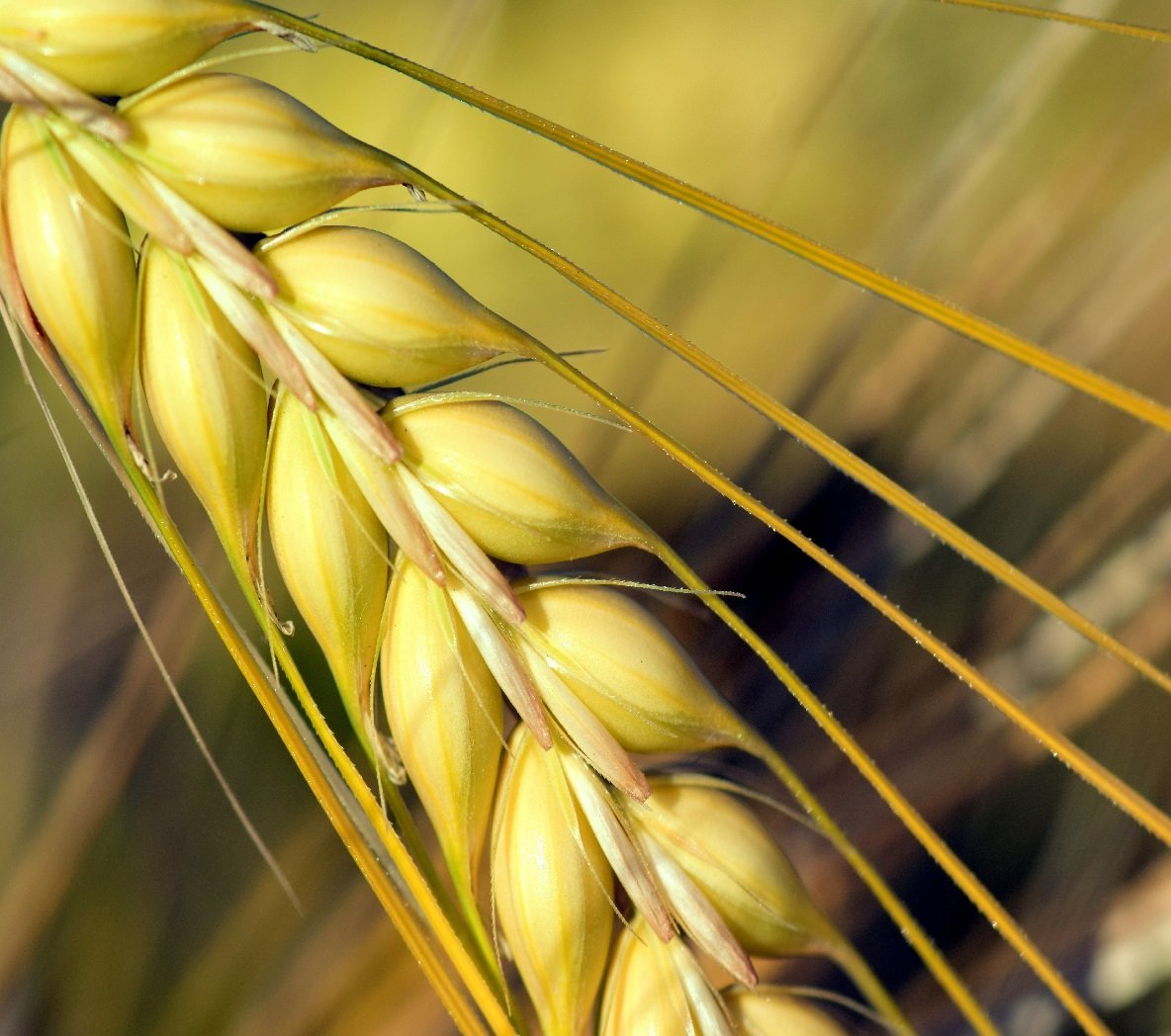
Introduction: In recent years, organic farming has emerged as a promising solution to the environmental and health challenges posed by conventional agriculture. While this sustainable farming method is gaining traction worldwide, it also holds a special significance within the Hispanic community. With deep-rooted agricultural traditions and a commitment to holistic living, Hispanic farmers have been at the forefront of embracing organic farming techniques. In this blog post, we will explore the unique contributions and practices of the Hispanic community to organic farming and shed light on the sustainable agricultural practices that are benefiting both growers and consumers.
1. Cultural Traditions and the Transition to Organic Farming: The Hispanic community has a rich heritage of connection to the land and a profound respect for nature. For many Hispanic farmers, transitioning to organic farming techniques has been a natural progression that aligns with their cultural values. Drawing from the wisdom of their ancestors, Hispanic farmers are combining tradition and innovation to revitalize the land and produce healthy, nutrient-dense food.
2. Implementing Regenerative Practices: Regenerative farming, a core aspect of organic agriculture, focuses on building resilient ecosystems, improving soil health, and minimizing the use of synthetic inputs. Hispanic farmers are at the forefront of applying regenerative practices such as cover cropping, crop rotation, and the use of compost to enrich the soil. These time-honored techniques promote biodiversity, reduce erosion, and enhance the long-term fertility of the land.
3. Preserving Heirloom Seeds: One of the most striking aspects of the Hispanic community's contribution to organic farming is their commitment to preserving heirloom seeds. These seeds are a living testament to centuries of agricultural history and cultural heritage. By cultivating these unique varieties, Hispanic farmers safeguard biodiversity and ensure the availability of traditional crops that carry immense significance for their communities.
4. Community-Oriented Approach: The Hispanic community, deeply rooted in tight-knit relationships, embraces the concept of community-supported agriculture (CSA). Through CSA programs, farmers and consumers form direct connections, fostering trust and transparency. Hispanic farmers are actively engaging with their local communities, providing access to fresh, organic produce and empowering individuals to make conscientious food choices.
5. Sharing Knowledge and Empowering Future Generations: Hispanic farmers are passionate about sharing their knowledge and expertise in organic farming techniques with younger generations. By mentoring and educating future farmers, they are not only passing down valuable skills but also ensuring the continuity of sustainable farming practices within the community. This commitment to preserving cultural farming traditions integrates seamlessly with modern organic farming methods, creating a sustainable and resilient future.
Conclusion: The Hispanic community's involvement in organic farming techniques is a powerful example of how cultural heritage and sustainability can intersect harmoniously. By combining age-old farming practices with contemporary ecological principles, Hispanic farmers are not only revitalizing the land but also strengthening their communities. As we move towards a more sustainable future, it is essential to recognize and learn from the wisdom and ingenuity of the Hispanic community in their efforts to create a healthier and more resilient food system. For more information about this: http://www.xfarming.com
For a deeper dive, visit: http://www.hispanicblogger.com


