Revolutionizing Indonesia's Agriculture Sector with AgTech Companies
Category : |
Sub Category : Posted on 2024-01-30 21:24:53
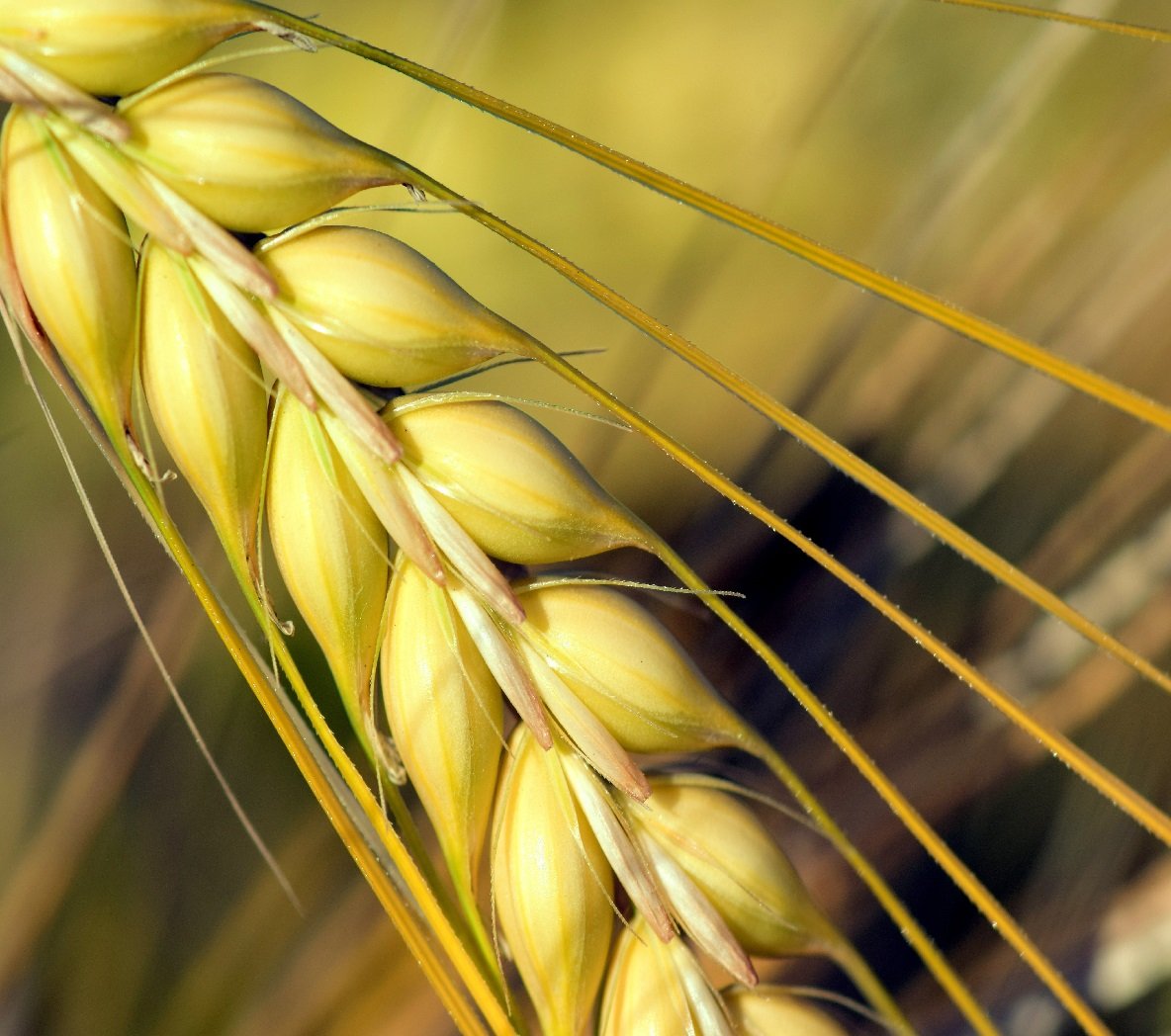
Introduction: Indonesia, known for its rich biodiversity and vast agricultural land, has always been an agrarian society. Agriculture is not only a major contributor to the country's economy but also a crucial source of employment for millions of Indonesians. However, the sector has faced numerous challenges ranging from climate change to low productivity. In recent years, the emergence of AgTech companies has brought hope and offered solutions to revolutionize Indonesia's agriculture sector.
AgTech: Transforming Traditional Farming Methods AgTech, short for agricultural technology, refers to the use of innovative technologies to optimize farming practices, increase productivity, and address the challenges faced by the agricultural sector. These technologies range from precision farming and drones to data analytics and Internet of Things (IoT) applications. AgTech companies in Indonesia are at the forefront of implementing these technologies and transforming traditional farming methods.
Enhancing Crop Production and Quality: One of the key areas where AgTech has made significant strides in Indonesia is crop production. By leveraging technologies such as remote sensing and satellite imagery, AgTech companies are enabling farmers to monitor crop health, detect diseases or pest infestations, and optimize irrigation. This real-time data helps farmers make informed decisions, leading to higher crop yields and improved quality.
Mitigating Climate Change Impact: Climate change poses a significant threat to Indonesia's agriculture sector, with unpredictable weather patterns and extreme events becoming increasingly common. AgTech companies are working to address these challenges by providing climate-smart solutions. For example, they offer precision weather forecasting tools that assist farmers in preparing for changing weather conditions and mitigating climate-related risks.
Empowering Smallholder Farmers: Smallholder farmers make up a significant portion of Indonesia's agricultural workforce. These small-scale farmers often lack access to resources and face numerous challenges in adopting modern farming techniques. AgTech companies are actively working to bridge this gap by providing affordable and easy-to-use technologies. These include mobile apps for accessing market information, digital platforms for selling produce, and training programs to educate farmers about the latest farming practices.
Improving Supply Chain Efficiency: Another significant area where AgTech has had a transformative impact in Indonesia is the agricultural supply chain. Traditionally, farmers have faced challenges in accessing buyers, negotiating fair prices, and ensuring timely deliveries. AgTech companies have developed digital platforms that connect farmers with suppliers, buyers, and logistics providers, streamlining the supply chain process. This not only improves efficiency but also ensures fair and transparent transactions for all stakeholders.
Government Support and Future Outlook: Recognizing the potential of AgTech in revolutionizing the agriculture sector, the Indonesian government has taken steps to support and promote these companies. Various initiatives such as funding programs, regulatory support, and partnerships with AgTech startups have been launched to facilitate innovation and technology adoption in the sector.
As AgTech continues to grow in Indonesia, the future looks promising for the agriculture sector. With improved productivity, enhanced sustainability, and increased profitability, smallholder farmers and the overall economy stand to benefit significantly. By embracing innovative technologies, Indonesia's agriculture industry can not only overcome existing challenges but also become a global leader in agricultural innovation.
Conclusion: AgTech companies have the potential to revolutionize Indonesia's agriculture sector by providing innovative solutions to tackle challenges and improve productivity. With advancements in precision farming, climate-smart technologies, and improved supply chain efficiency, smallholder farmers can thrive, and the overall food security of the nation can be strengthened. As the government continues to support AgTech initiatives, the future of Indonesia's agriculture looks bright, promising a sustainable and technologically advanced sector. Click the following link for more http://www.xfarming.com
You can find more about this subject in http://www.tokoeasy.com


