Vegan Food Garden Design and Landscaping: A Sustainable Approach to Cultivating Plant-Based Delights
Category : |
Sub Category : Posted on 2024-01-30 21:24:53
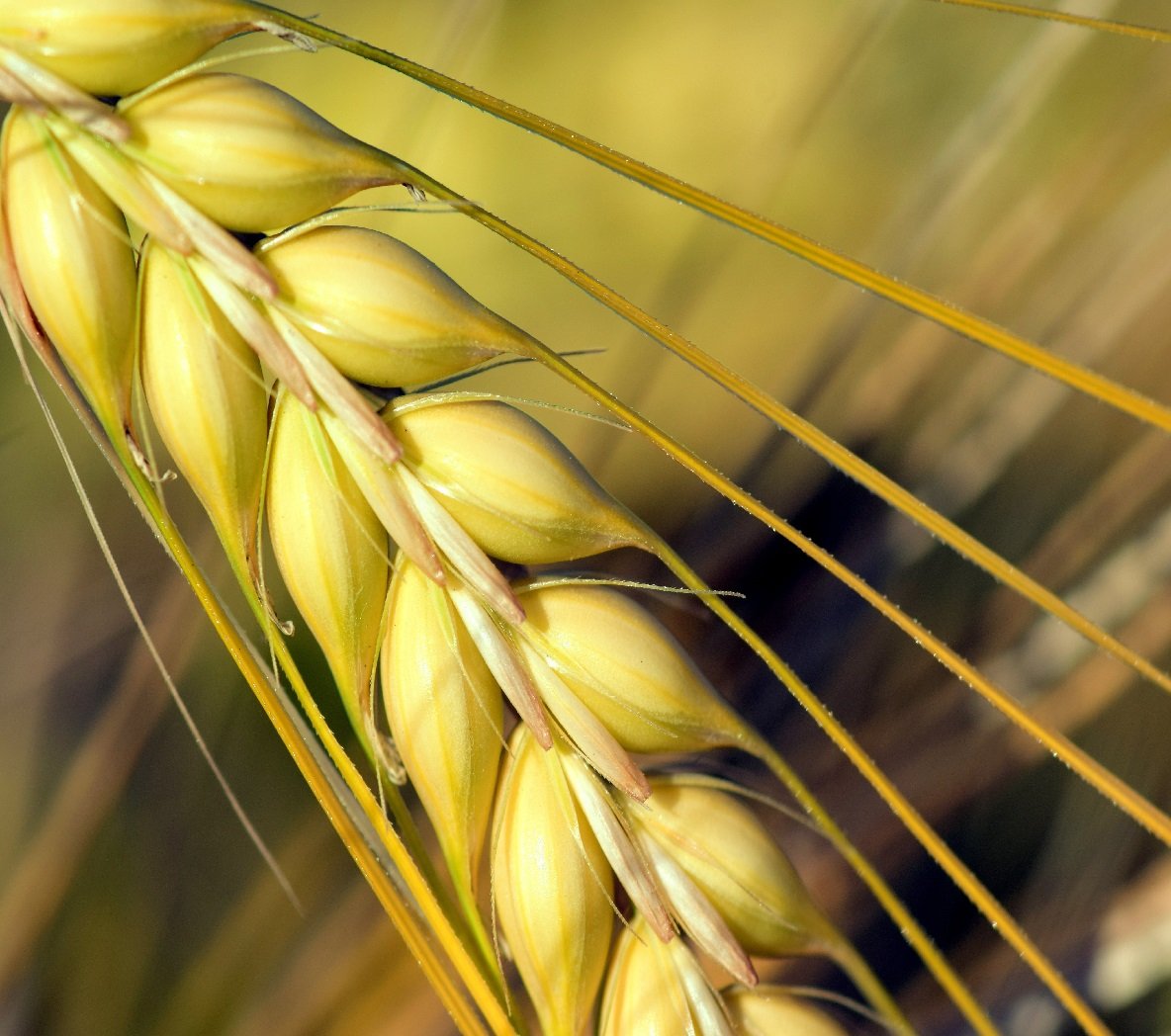
Introduction: As veganism continues to gain popularity, individuals are seeking ways to incorporate their plant-based lifestyle into all aspects of their lives, including their gardens. Vegan food garden design and landscaping offer an innovative and sustainable approach to growing their own fresh produce while minimizing harm to the environment and animal life. In this blog post, we will explore the principles and benefits of designing a vegan food garden and provide practical tips for creating your own plant-based paradise.
1. Embrace Sustainable Gardening Practices: One of the fundamental aspects of vegan food garden design is the application of sustainable gardening practices. This involves reducing water consumption through drip irrigation systems, composting organic waste, and utilizing natural pest control methods such as companion planting and physical barriers. By implementing these practices, you can create a self-sustaining ecosystem that thrives without the need for harmful chemicals or excessive resource consumption.
2. Incorporate Diversity into Your Garden: A key aspect of vegan food garden design is to embrace diversity in plant species. Instead of relying on a few common vegetables, consider incorporating a wide variety of fruits, vegetables, herbs, and edible flowers into your garden. This diversity not only adds visual appeal but also enhances the nutritional value of your harvest.
3. Focus on Perennial Plants: Perennial plants are an essential component of vegan food garden design as they require less maintenance and provide a continuous supply of produce year after year. Some popular perennial plants include asparagus, berries, rhubarb, and herbs like thyme and rosemary. By including these plants in your garden, you can enjoy a consistent supply of fresh ingredients without the need for replanting each season.
4. Create a Wildlife-Friendly Environment: Vegan food garden design should not be limited to providing sustenance only for humans. It should also aim to create a habitat that supports wildlife. Encourage beneficial insects like bees and butterflies by planting nectar-rich flowers. Install bird feeders, birdbaths, or nesting boxes to attract birds that help control pests naturally. By nurturing a diverse range of wildlife, you establish a harmonious coexistence between nature and your garden.
5. Utilize Vertical Gardening Techniques: Incorporating vertical gardening techniques is an excellent way to maximize space in a small garden. Install trellises, fences, or vertical planters to grow climbing vegetables like tomatoes, cucumbers, and beans. This not only saves space but also adds an attractive vertical element to your garden's design.
Conclusion: Designing a vegan food garden goes beyond simply growing plants for sustenance. It represents a commitment to a plant-based lifestyle while harnessing nature's abundance. Vegan food garden design and landscaping offer innovative solutions to cultivate delicious, homegrown produce sustainably. By embracing sustainable practices, incorporating diversity, focusing on perennials, creating wildlife-friendly environments, and utilizing vertical gardening techniques, you can create a truly thriving plant-based paradise right in your backyard. Start your journey towards sustainable, cruelty-free gardening today! For more info http://www.deleci.com
Want to expand your knowledge? Start with http://www.alienvegan.com
For an in-depth analysis, I recommend reading http://www.eatnaturals.com
sources: http://www.mimidate.com


